December 23, 2025
As the year comes to a close, we’re sharing a brief history of Cornerstone Timberframes — from early hand-cut timber frames to the coordinated delivery of modern mass timber structures.
In 2026, Cornerstone marks 35 years of work.
That span includes economic cycles, material shifts, ownership transitions, and a construction industry that looks very different from the early 1990s. What has remained consistent is a commitment to timber as a serious structural material, and the discipline required to plan, coordinate, and build it properly.
Roots Before the Company
The Peters family history in southern Manitoba stretches back generations. Long before Cornerstone existed, woodworking, carpentry, and building were part of daily life.
Seasonal construction work, long winters without pay, and the realities of raising a family in uncertain economic conditions shaped a mindset that valued durability, adaptability, and doing things properly the first time.

1990–1993: The Start of Cornerstone Homes
In 1990, Wayne Peters returned to Manitoba after several years working with the Mennonite Central Committee in Pennsylvania. During that time, he was introduced to traditional timber frame construction and became deeply interested in the craft and its potential.
That same year, Wayne called his brother Pete to discuss starting a timber-focused company. The response was simple: “Let’s try it.”
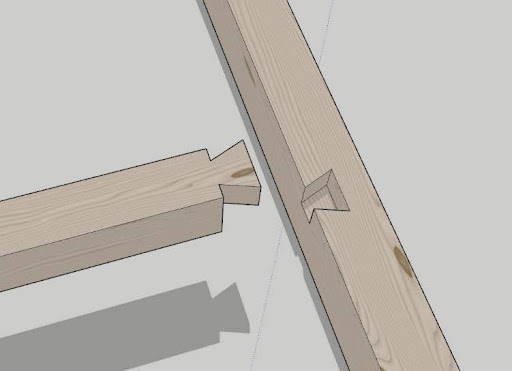
Cornerstone Homes began with the construction of Wayne and Justina’s own timber frame house in Mitchell, Manitoba. Using oak timbers, hand-referenced joinery techniques, and early guidance from Ted Benson’s writing, the brothers began cutting frames with the help of family and friends.
In 1991 and 1992, the first client projects followed. Early frames were cut in a Quonset near Highway 52 using eastern white pine sourced from Kenora. These projects were modest in scale, but they established lasting standards: careful layout, thoughtful joinery, and responsibility for the entire frame — from design through raising.
Mid-1990s: Learning, Expanding, Refining
By the mid-1990s, Cornerstone had completed several residential frames and begun incorporating SIPs (structural insulated panels) and more complex roof geometries. Projects expanded beyond Manitoba, and learning became intentional.
Wayne and Pete travelled to Maine to study at the Fox Maple School of Traditional Building. The experience reinforced the importance of geometry, layout discipline, and structural clarity.
2007–2009: Economic Reality
The global financial crisis had a significant impact on U.S. construction. Many partners struggled or closed, and Cornerstone’s U.S. work slowed.
Canadian markets remained comparatively stable, allowing the shop to stay active. The experience reinforced the importance of diversification, cautious growth, and financial discipline.

2015–2019: Transition and Technology
In 2015, Wayne and Pete retired. Ownership transitioned to Tanya and Nevin.
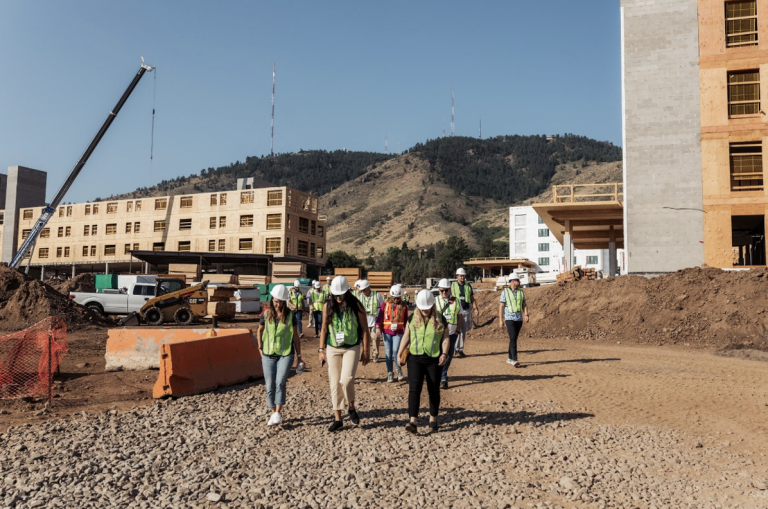
During this period, Cornerstone invested in CNC technology and expanded into mass timber commercial projects, blending traditional timber framing with glulam, steel connectors, and prefabricated systems.

Where Cornerstone Stands Today
Today, Cornerstone operates as a timber-first design–build partner for residential, commercial, and institutional projects — spanning traditional timber frames, hybrid systems, and modern mass timber structures.
- Collaborate early
- Engineer thoroughly
- Fabricate precisely
- Install predictably
Looking Ahead
Thirty-five years in, Cornerstone remains focused on clear thinking, careful execution, and structures that perform as well as they look.

Merry Christmas from the team at Cornerstone!